


A few times a year, I love stepping back and inviting a guest chef into this space - someone whose work I admire, and whose approach to food feels aligned with how we think about nourishment here.
This month, I’m so excited to welcome Annie Fenn, MD .
Annie approaches food through the informed lens of rigorous research, but what draws you in is her warmth, generosity and ready smile. Through her work at Brain Health Kitchen, she translates cutting-edge science on longevity and cognitive health into recipes that are practical as well as delicious. She has built a vibrant community around this work - curious, supportive, and deeply invested in aging well. She also curates incredible immersive trips and retreats around the world, where that research comes to life through shared experience. Truly, do yourself a favor and explore what she’s created. I am so honored to call her a friend.
For this month’s recipes, Annie brings us a menu inspired by the Blue Zones - places around the world where people live longer, healthier lives, supported by simple, seasonal, nourishing food and a pace of life that prioritizes connection and community.
I already know I’ll be making the Centenarian Soup this weekend (to go with chilly April showers in NYC!). And because I know many of you in this community are pescatarian, I asked Annie to also include the beautiful Salmon with Avocado, Grapefruit, and Kumquats - the very dish that graces the cover of her bestselling cookbook.
These are recipes that feel thoughtful, welcoming and are meant to be shared. I can’t wait for you to cook from them. Thank you, Annie for sharing this spread!
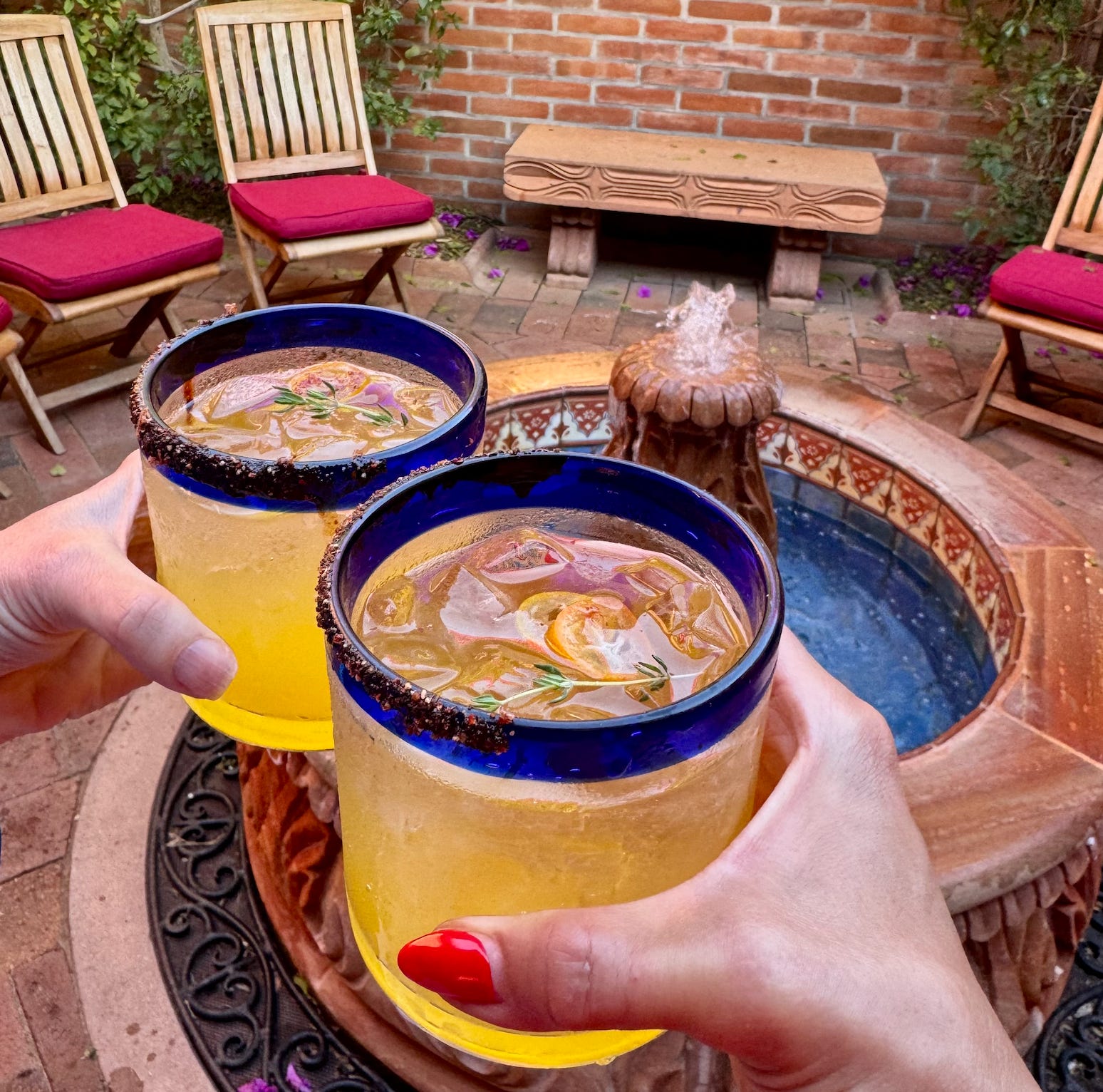
A Taste of Longevity—all the things I cooked for a farm-to-table dinner at Rancho La Puerta
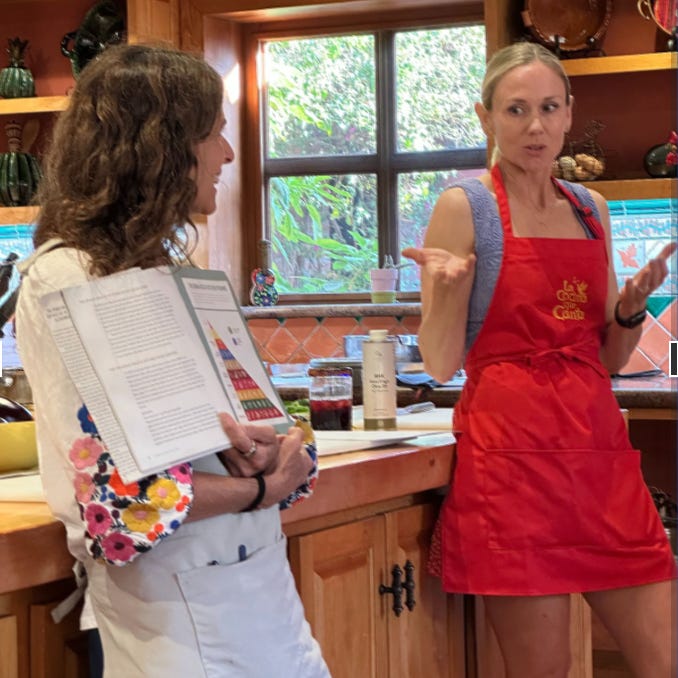
Hello, We Ate Well people! It’s an honor to be guest cheffing Vasudha’s newsletter this week. I just got back from being a guest chef in real life —during Brain Health Week at Rancho La Puerta earlier this month. Guests joined us to learn about cutting-edge longevity topics while enjoying delicious, brain-healthy meals at this classic wellness destination and spa located in the mountains of Northern Baja California, Mexico. For the Retreat, I brought in a team of amazing brain health experts, and taught classes at the Ranch’s cooking school.
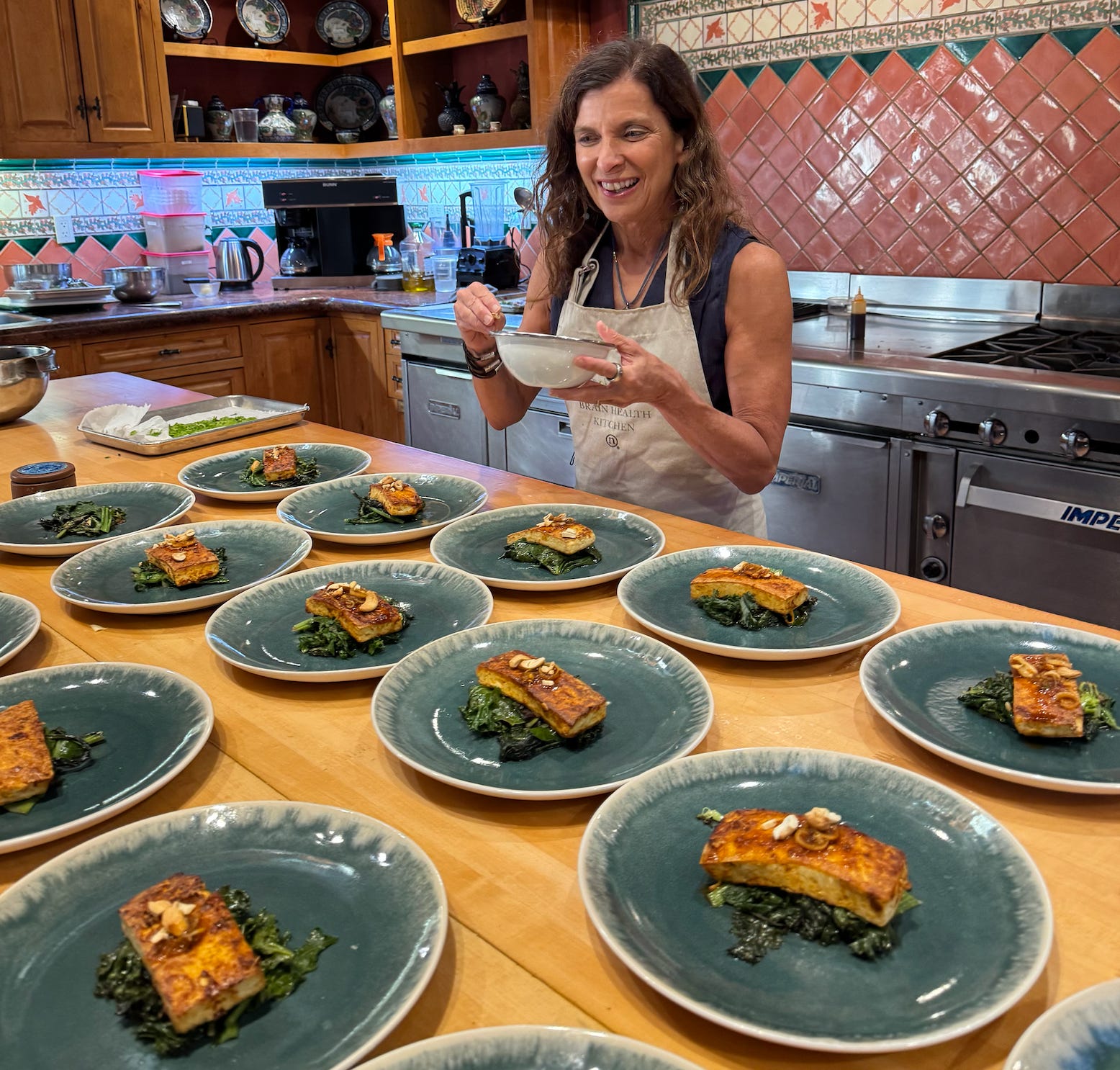
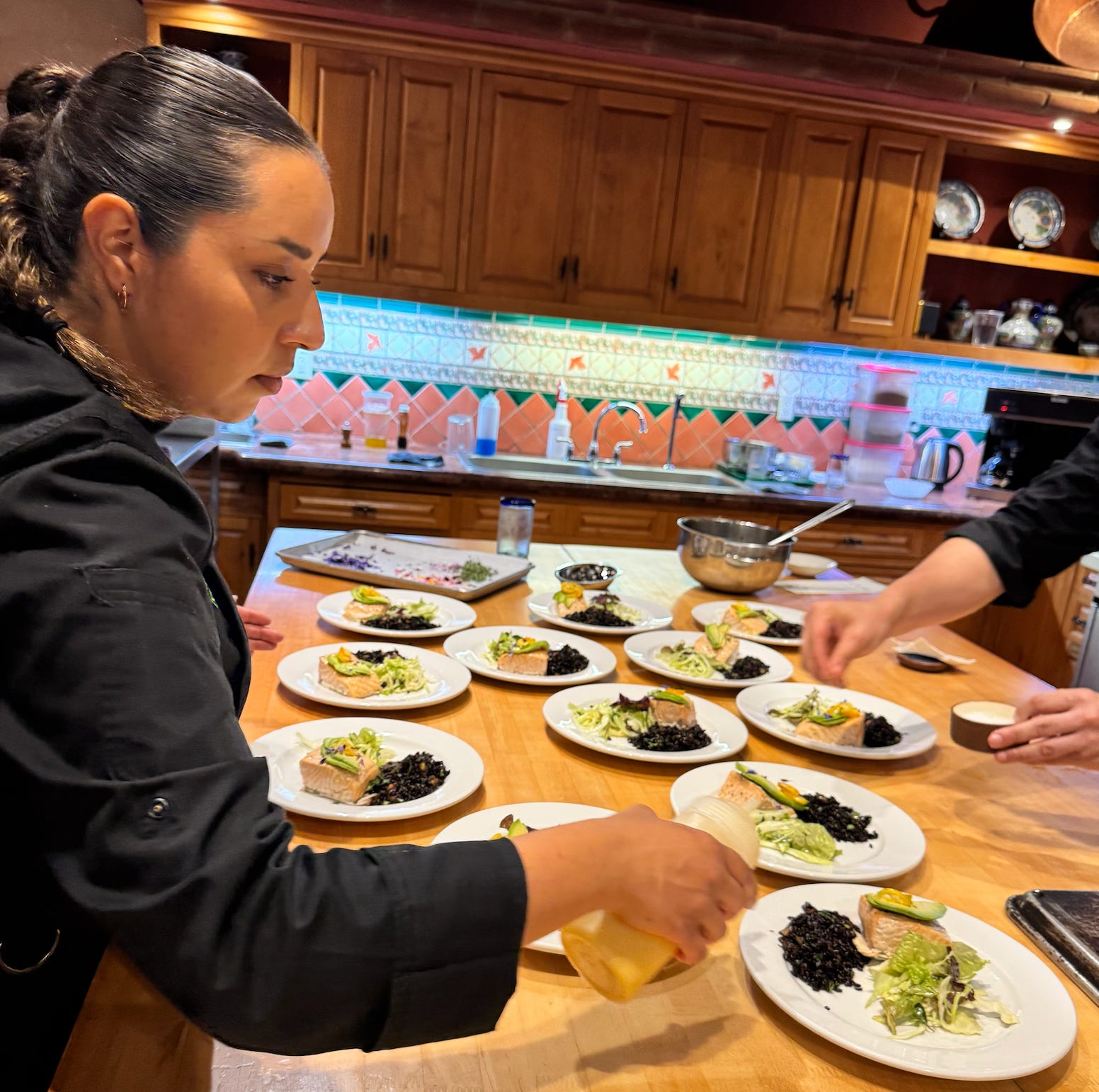
One of the highlights was collaborating with Chef Vivian to make dinner for 30 guests at the Ranch’s 6-acre organic garden and kitchen. Our theme: A Taste of Longevity—A Farm To Table Journey Through the Blue Zones. I drew inspiration from my travels to the places around the world with exceptional longevity. One of my passions at Brain Health Kitchen is to provide people with immersive experiences in healthy aging while having a fun, delicious, and active vacation. That’s why I created Longevity Travel and my brain Brain health Health Retreats, so we can learn from the places and cultures where people embrace aging with intention and joy.
There are five official Blue Zones: Sardinia, Italy; Okinawa, Japan; Ikaria, Greece; Nicoya Peninsula, Costa Rica; and Loma Linda, California. Plus, Singapore was added as a sixth one a few years ago. For the dinner, I focused on the places where I have spent the most time, and where I have hosted brain health retreats: Sardinia, Costa Rica, and (coming soon) Greece.
While all these places are diverse in geography, there are common elements to how they eat. Food is enjoyed at a leisurely pace with family and friends. Vegetables, fruit, beans and legumes, whole grains, and fish are often on the menu. Eating in a Blue Zone means eating with the seasons, and enjoying food at its peak nutrient density.
I’ve been traveling to Rancho La Puerta for 28 years, first as a guest and now as a visiting chef and presenter. Over time, I have come to think of the Ranch as its own Blue Zone. Its founder, Deborah Szelekey, is turning 104 this month! She has created a very special place where all the pillars of a brain-healthy life are practiced daily. It was the perfect place to cook some of my favorite Blue Zone-inspired recipes, which also happen to be good for your brain, as well as your heart and metabolism.
I hope you enjoy the recipes! I’d love to hear how these go in your kitchen. The next Brain Health Week at Rancho La Puerta will be in the spring of 2027. Stay tuned for exact dates, which will be coming soon to my Substack. If you’re interested in finding out more about longevity and brain health, and get updates on my trips, join the community at Brain Health Kitchen. I would love to see you there!
Take the best care of your brains, friends. Vasudha—thanks again for having me over to We Ate Well.
Annie
My Blue Zone-Inspired Menu
Centenarian Soup
Crispy Tofu Over Greens with Chili Sauce
Salmon with Avocado, Grapefruit, Kumquats over Longevity Rice
La Cocina Que Canta Bars with Vanilla Bean Cashew Cream
Centenarian Soup
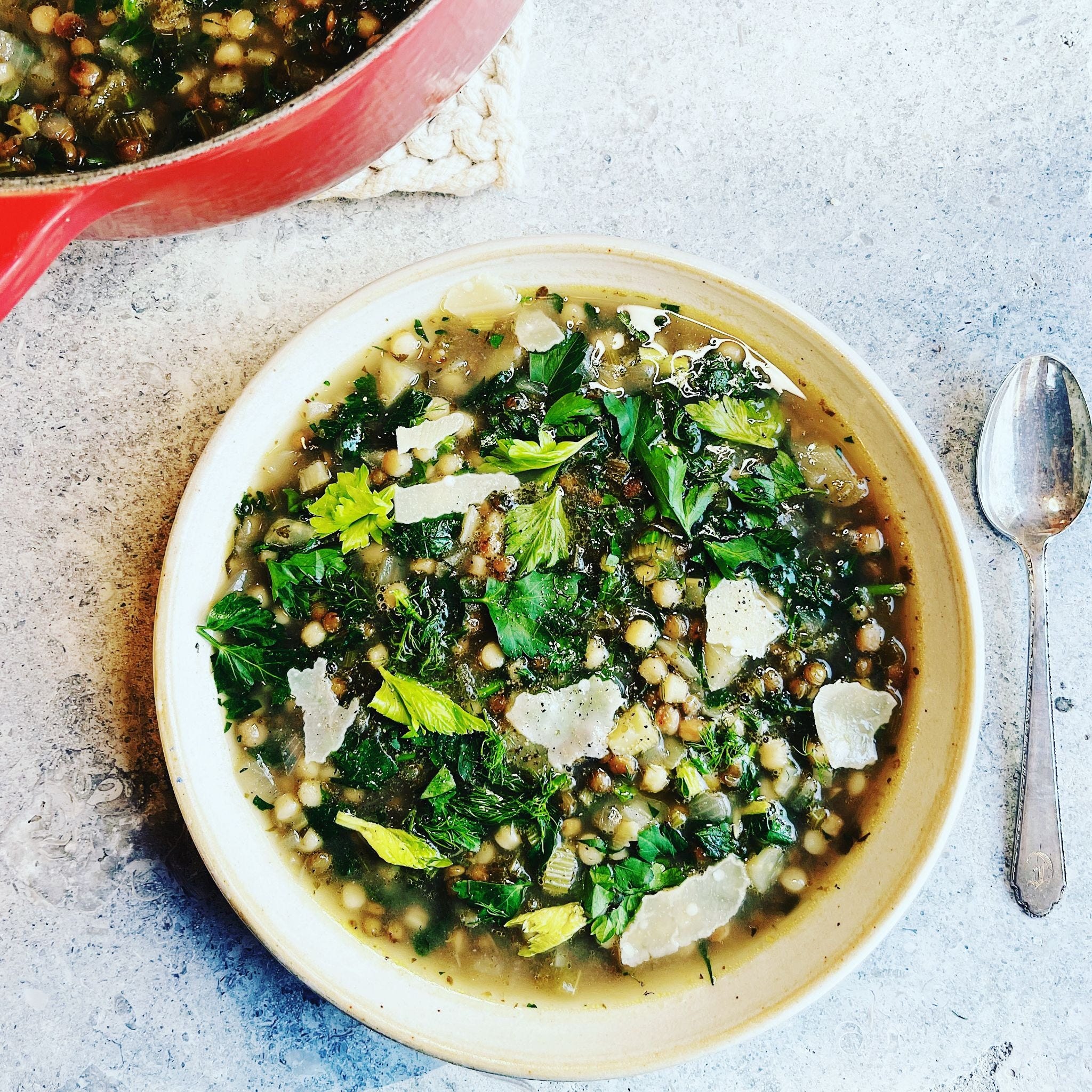
Each region of Sardinia has a version of this hearty minestrone, with ingredients that change with the seasons. They actually call it “centenarian soup” in honor of their spry elders, but the old school name is s’erbuzu which means “lots of herbs”. It has an intensely herbal aroma and the broth is studded with chewy bits of pasta and creamy beans.
This soup combines classic brain-healthy ingredients: leafy greens (herbs!), whole grains (pasta), vegetables (fennel, celery, alliums), and legumes (lentils). Omit the cheese to make it entirely plant-based; swap out the pasta for rice to make it gluten-free. For an alcohol-free version, replace the white wine with additional water or broth.
Tip: When shopping for celery, look for a bunch that has lots of tender leaves. They really add flavor and aroma to this soup.
Makes 8 cups
Ingredients:
3 tablespoons extra-virgin olive oil
5 celery stalks, finely chopped (about 2 cups), leaves reserved
1 large fennel bulb, cored and finely diced (about 1½ cups), fronds finely chopped and reserved
1 medium yellow onion, finely diced (about 1 cup)
1 teaspoon dried oregano
1 teaspoon kosher salt
½ teaspoon freshly ground black pepper
½ teaspoon red pepper flakes, plus more for serving
2 large garlic cloves, thinly sliced
½ cup dry white wine
8 cups vegetable or chicken stock
Goat cheese rinds (if available)
¾ cup green lentils
¾ cup fregola sarda, whole wheat orzo, or other small whole grain pasta
1 large bunch Italian parsley, stems finely chopped and leaves coarsely chopped (each should yield about 1 cup)
⅓ cup fresh tarragon, finely chopped
2 tablespoons chives, finely chopped
Pecorino cheese (optional)
Lemon wedges
Instructions:
Warm the oil in a medium pot over medium-low heat. Add the celery, fennel, onion, oregano, salt, black pepper, and red pepper flakes. Cook, stirring often, until the vegetables are soft, 8 to 12 minutes. Stir in the garlic and cook until fragrant, about 1 minute. Add the wine and cook until the liquid is almost completely reduced, 2 to 4 minutes.
Add the broth and goat cheese rinds and bring to a boil. Reduce the heat to a gentle simmer and stir in the lentils, fregola sarda, and parsley stems. Cook uncovered, stirring often to make sure nothing sticks to the bottom of the pot, at a low simmer until the lentils are tender and the pasta is al dente (soft but with a chewy bite), 20 to 30 minutes.
Just before serving, stir in the parsley and any celery leaves, fennel fronds, tarragon, and chives. Grate Pecorino atop (if using), and serve hot with lemon wedges on the side.
Store in a tightly covered container in the refrigerator for up to 3 days or the freezer for up to 3 months. The soup will thicken as it sits; add water or broth when reheating and an additional handful of fresh herbs before serving.
Crispy Tofu Over Greens with Chili Sauce
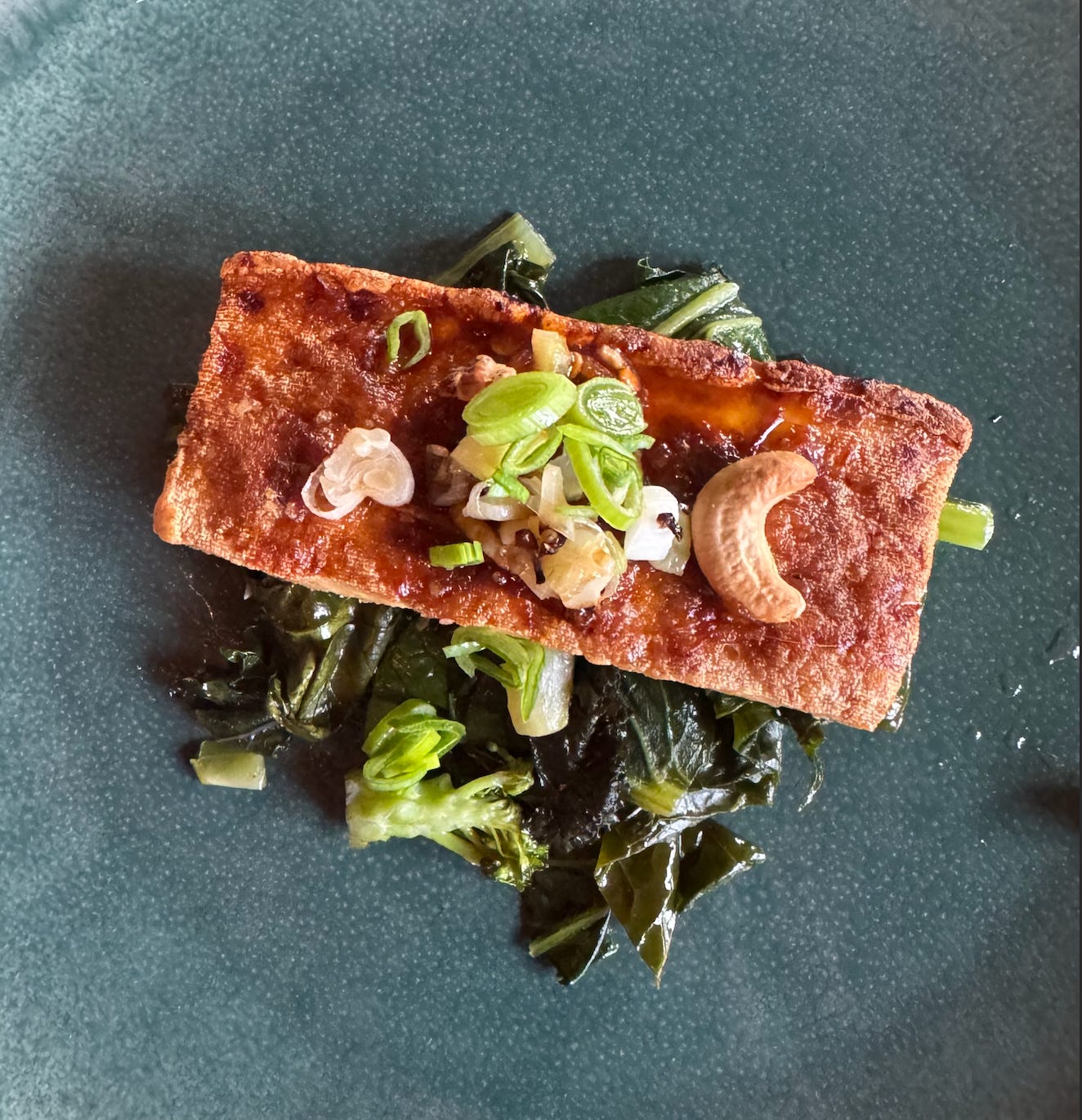
This recipe is inspired by all the varieties of Asian greens that are exploding in the garden at Rancho La Puerta each spring. The dish can be many things. I like it as a quick light supper that’s akin to a warm salad boosted with protein. It’s good to eat at room temperature, too, so it makes a nice packed lunch. If you don’t want it to be spicy, omit the sambal oelek and you’ll have a mild gingery sauce instead.
Whole food forms of soy are a total win for brain health. The tofu here provides more than a good dose of lean protein. It’s teeming with brain-healthy isoflavones, a brain health nutrient known to slow brain aging.
Serves 4
Ingredients:
One 12- to 14-ounce block extra-firm tofu, drained and pressed (see note)
2 tablespoons low-sodium soy sauce
2 tablespoons unseasoned rice or apple cider vinegar
2 tablespoons chili garlic sauce (such as sambal oelek)
1 tablespoon avocado or pecan oil, divided
8 cups mixed greens (such as mustard greens and tatsoi), torn into bite-sized pieces
1 large bunch scallions, white and tender green parts finely chopped
2 cups mushrooms, trimmed and sliced ¼-inch thick (such as button, cremini, or a mix)
2 teaspoons grated fresh ginger
½ cup toasted cashews, coarsely chopped
Instructions:
Slice a block of tofu through the center horizontally to make two wide slabs. Press out the water by wrapping in a towel and putting a heavy pot on top. Let sit for about 2 hours or overnight in the fridge. Pat dry.
Combine the soy sauce, vinegar, and chili garlic sauce in a small bowl. Set aside.
Warm 1 teaspoon of the oil in a large nonstick pan over medium heat. Carefully add the greens and cook, stirring often, until barely wilted, about 1 minute. Transfer to a serving platter.
Warm 2 teaspoons of the oil in the same pan. Carefully place the tofu slabs in the pan and sear until crispy and brown on the edges, 3 to 5 minutes. Flip and cook on the other side. Place atop the greens.
Using the same pan over medium heat, sauté the scallions, mushrooms, and ginger until the vegetables are soft and starting to brown, about 5 minutes. Divide evenly atop the tofu, drizzle with the chili sauce, and top with cashews.
Tips:
The recipe calls for a blend of greens (often called Asian braising greens) that usually includes spicy mustard greens, but any sturdy green (kale, spinach, collard, chard) works well, too.
If you don’t want it to be spicy, omit the sambal oelek and you’ll have a mild gingery sauce instead.
Use super-firm instead of extra-firm tofu and skip the pressing step.
Salmon with Avocado, Grapefruit, and Kumquats over Longevity Rice
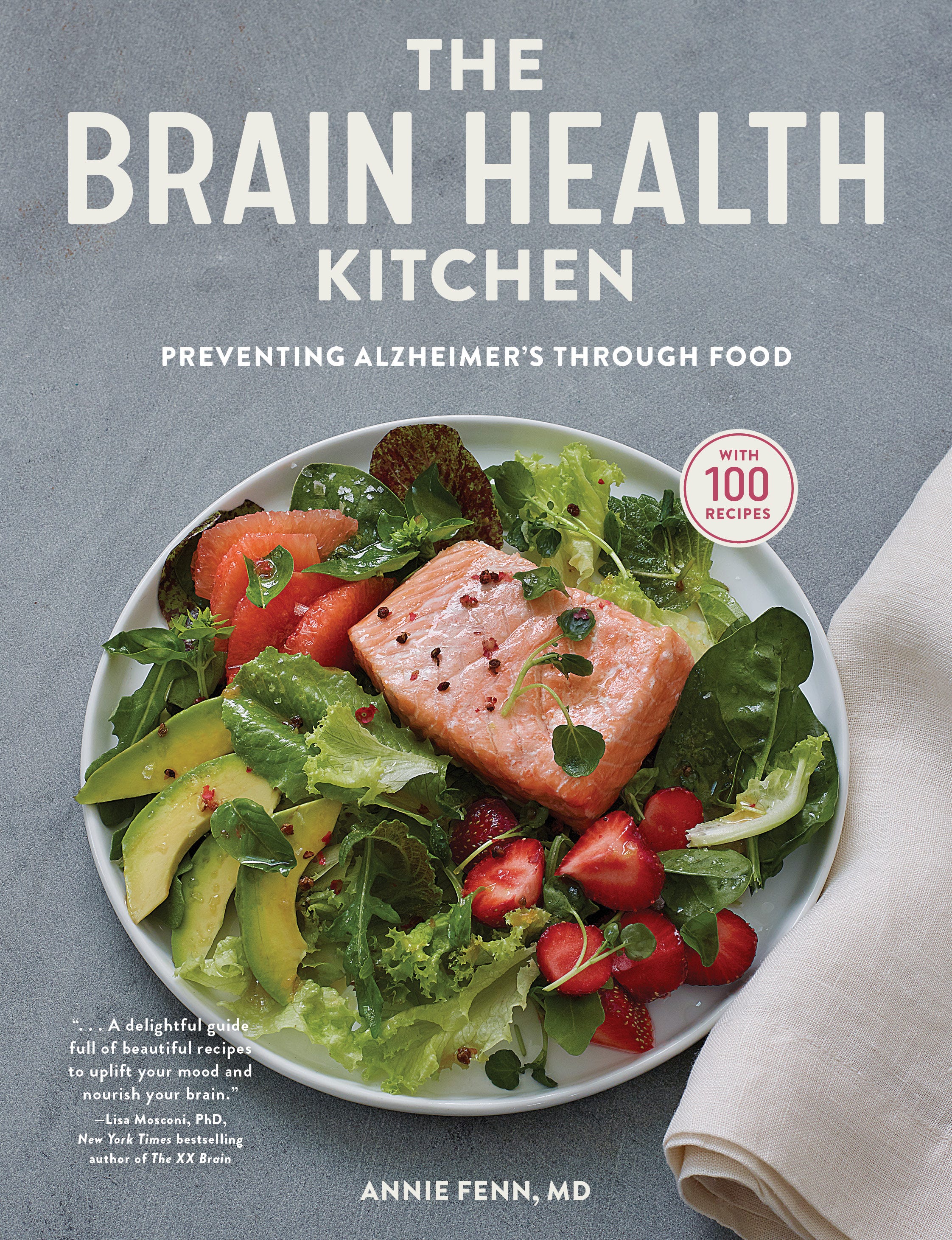
The kumquat trees at Rancho La Puerta were exploding with fruit while I was there. In this dish—a riff on the cover recipe of my book—the kumquats paired well with the avocado slices. The Longevity Rice is a lemony grain salad flavored with cardamom and studded with dates. Use this recipe as a template for any grain that you like—farro, brown rice, quinoa, or freekeh.
This dish features black rice (sometimes called forbidden rice), an especially brain-healthy variety. It gets its purplish hue from the same brain health nutrient found in blueberries: anthocyanins. These bioactive substances cross the blood brain barrier and help reduce oxidative stress and chronic inflammation at the cellular level.
Serves 4
Ingredients:
Four 3 to 4 ounce salmon filets, about ¾ -inch thick
¼ cup plus 2 teaspoons extra-virgin olive oil
¾ teaspoon kosher salt
1 grapefruit, preferably Ruby Red
2 tablespoons lime juice
¼ cup extra-virgin olive oil
1½ teaspoons raw honey
¼ teaspoon kosher salt
1 large ripe firm avocado, sliced
Microgreens or mixed greens
½ cup fresh basil leaves, large ones torn into pieces
Freshly ground pink or black peppercorns, for serving
Flaky salt, for serving
Kumquat slices
Longevity Rice (recipe follows)
Instructions:
Preheat your oven to 350ºF. Rub a ceramic dish or rimmed baking sheet with 1 teaspoon of the oil and place the salmon (skin side down if skin-on) on it. Drizzle the salmon with another teaspoon of the oil and sprinkle with ½ teaspoon salt. Bake until the flesh easily flakes with a fork, about 10 minutes for medium-rare or 12 minutes for well-done.
Meanwhile, prepare the dressing. Zest the grapefruit to yield 1 tablespoon, then cut off the stem ends and use your knife to cut away the peel. Slice between the white pith and the flesh to remove the sections. Squeeze any juice left from the peels into a small measuring cup. Add any juice collected on your cutting board. Discard the peels.
In a small bowl, whisk the remaining ¼ cup oil, 1 ½ tablespoons of the grapefruit juice, lime juice, grapefruit zest, honey, and salt.
To plate, toss the greens with dressing and place on one side of each plate. Add longevity rice on the other. Top with a serving of salmon, slices of kumquat, and drizzle with more dressing. Add the avocado and grapefruit segments, dividing evenly. Garnish each plate with basil leaves, a few pinches of flaky salt, and freshly ground pink peppercorns.
Longevity Rice
Serves 6
Ingredients:
4 cups water
2 cups forbidden rice (also called black rice), rinsed
1 teaspoon kosher salt
½ cup extra-virgin olive oil
3 tablespoons lemon juice plus 1 tablespoon lemon zest
⅔ cup chopped pitted Medjool dates (about 6 total)
½ cup pistachios (salted or unsalted) toasted, plus more to garnish
½ cup finely chopped fresh cilantro, plus leaves to garnish
¼ cup finely chopped scallions (white parts only)
1½ teaspoons ground cardamom
½ teaspoon freshly ground pepper
Flaky salt (optional)
Instructions:
Bring the water to a boil in a medium saucepan that has a tight fitting lid. Add the rice and salt and reduce the heat to a low simmer. Cover and cook for 20 minutes. Turn off the heat and leave uncovered to steam for another 20 minutes.
Fluff the warm rice with a fork and transfer to a serving bowl. Pour the olive oil and lemon juice
overtop, then stir to combine. Fold in the dates, pistachios, cilantro, scallions, cardamom, and black pepper.
Garden Pasta with Mushroom Bolognese
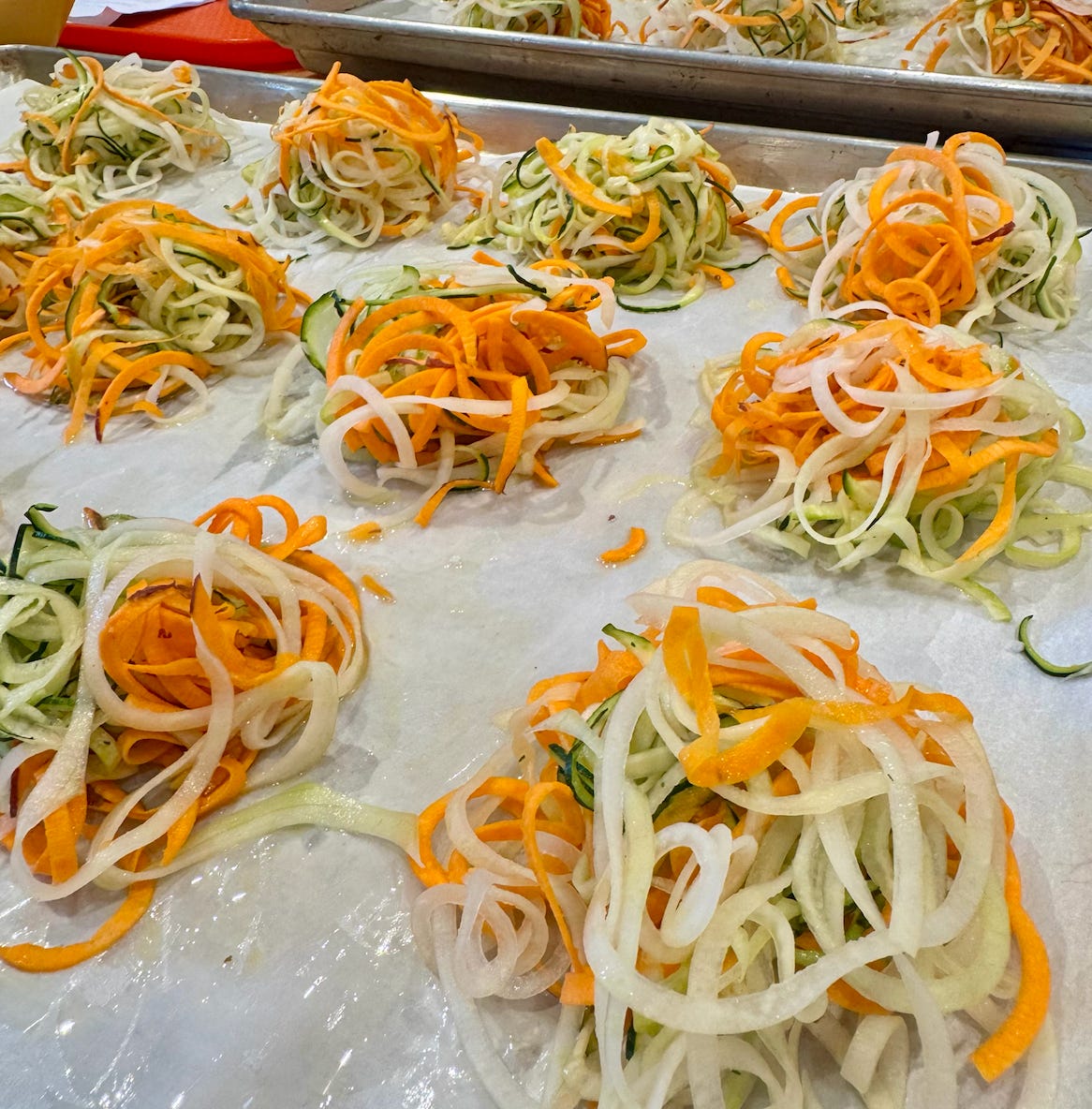
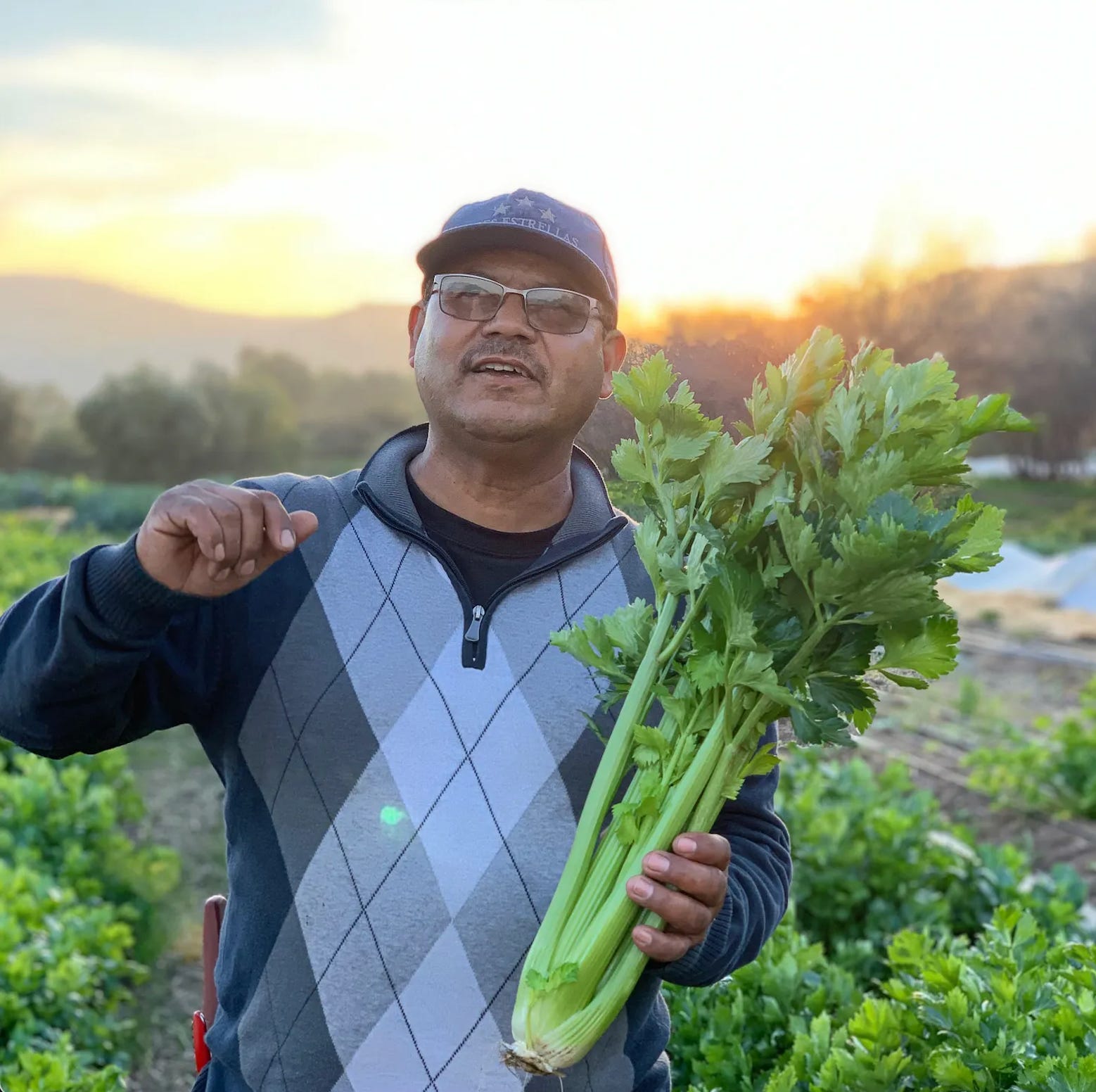
Salvador, the Master Gardener at Rancho La Puerta, tends to his plants like a large brood of children. When I asked him what the most underrated vegetables were, he pointed to the kohlrabi—gnarly knobs the size of my fist. These cruciferous vegetables have a mild flavor, somewhat like a cross between celery and apple. We picked a basketful and spiralized them into noodles, along with zucchini and sweet potatoes, for this pretty garden pasta.
The mushroom bolognese is one of the most popular recipes from my book. It gets a triple boost of umami flavor from the miso paste, dried porcini mushrooms, and tomato paste. Mushrooms are a brain-healthy food that provide nutrients we don’t get from many foods—glutathione and ergothioneine. Based on studies from Singapore and Japan, adults who eat mushrooms (½ cup cooked) at least twice a week have been shown to have 40% to 65% fewer cases of dementia. Another study of adults over age 60 in the U.S. showed that eating mushrooms on a regular basis was associated with better performance on cognitive tests. If you love mushrooms, make a double batch of this bolognese and freeze some for later; it’s delicious on regular pasta, too!
Serves 4 to 6
Ingredients:
1 cup boiling water
½ ounce dried porcini mushrooms
1 teaspoon kosher salt
¼ teaspoon freshly ground black pepper
2 tablespoons extra-virgin olive oil
1 large shallot, finely chopped (about ⅔ cup)
6 medium cloves garlic, chopped (about 2 tablespoons)
12 ounces mixed mushrooms, such as cremini, button, and shiitake, roughly chopped (about 6 cups)
2 tablespoons tomato paste
1 cup dry white wine
2 cups vegetable or chicken broth
2 teaspoons finely chopped fresh thyme, plus more leaves for garnish
1 tablespoon white miso paste
Shaved Parmesan, for serving (optional)
Microgreens, for serving
A mix of spiralized vegetables: zucchini, kohlrabi, and others from the garden
Instructions:
In a small bowl, pour 1 cup boiling water over the dried mushrooms. Set aside to steep for 15 or more minutes. Drain the dried mushrooms, reserving the soaking liquid, and when cool, coarsely chop.
Heat the remaining tablespoon oil in a large skillet over medium heat. Add the shallots and ½ teaspoon salt and cook, stirring often, until the shallots are translucent, 4 to 6 minutes. Add the garlic, stirring until fragrant, about 30 seconds. Add the fresh mushrooms and cook, stirring often, until they are soft and starting to brown, 10 to 12 minutes.
Push the mushrooms off to one side of the pan and add the tomato paste to the other side. Pour in 2 tablespoons of the mushroom soaking water and whisk until smooth. Cook, stirring often, until the tomato mixture bubbles and thickens, about 2 minutes. Keeping the mushrooms to the side, stir in the rest of the mushroom broth and the soaked and chopped mushrooms, the vegetable broth, wine, thyme, and pepper. Pull in the mushrooms from the side to mix with the sauce and reduce the heat to a gentle simmer. Cook, stirring occasionally, until the sauce is reduced by half, about 20 to 25 minutes.
To finish the sauce, place the miso paste in a small bowl. Scoop out about ½ cup of the brothy part of the sauce and stir into the miso until no lumps remain. Pour the miso back into the sauce and stir to coat the vegetables. Cover the pot, turn off the heat, and set aside.
Preheat the oven to 350ºF and line a rimmed baking sheet with parchment paper; brush the paper with extra-virgin olive oil. Toss the noodles with more extra-virgin olive oil and pinches of salt. Gather the noodles into “nests” on the sheet and bake until wilted and starting to brown (very slightly) around the edges, about 10 minutes. To serve, use a spatula to transfer each nest to a plate, and top with bolognese sauce, shaved Parmesan, and microgreens.
La Cocina Que Canta Bars
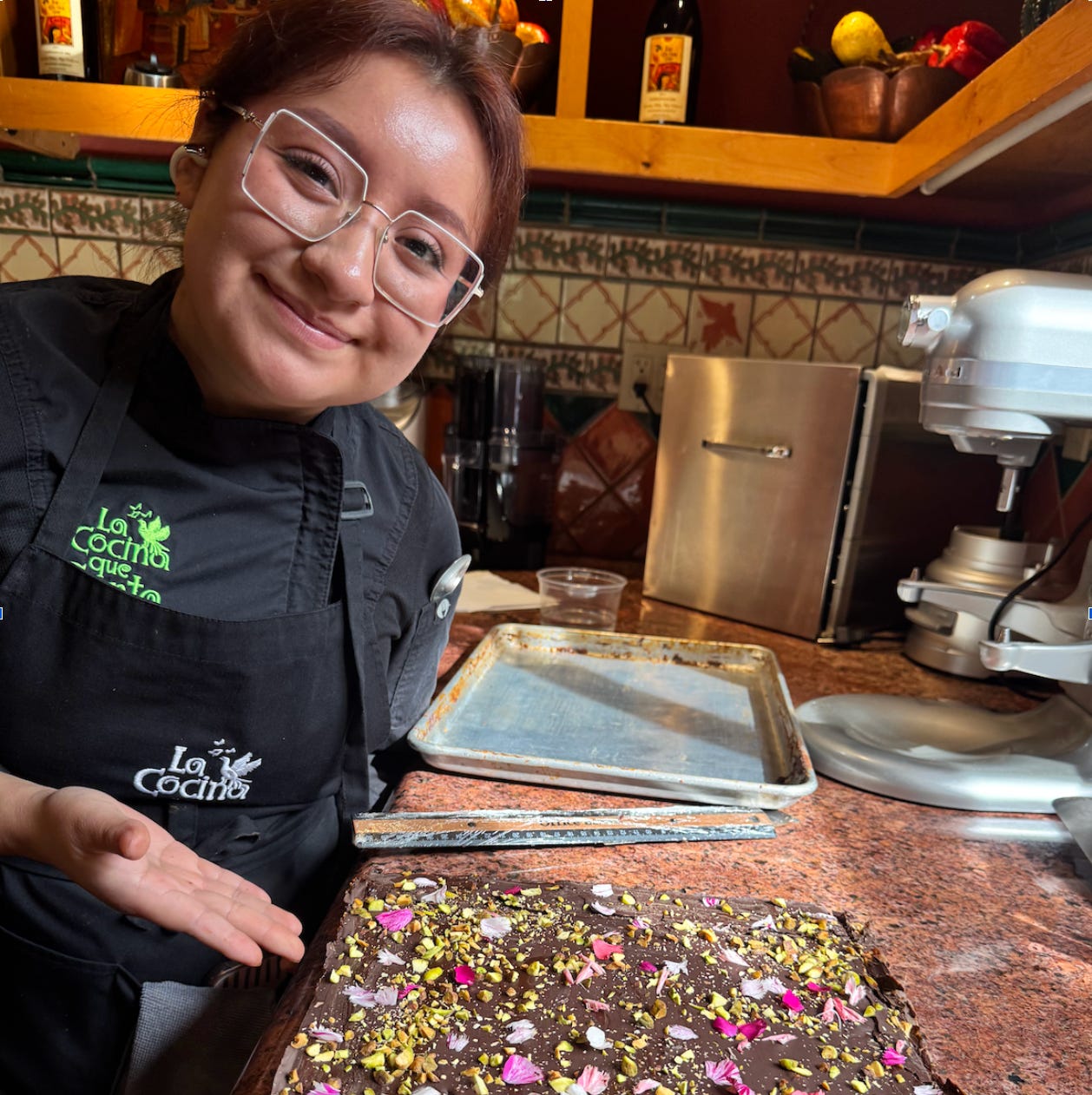
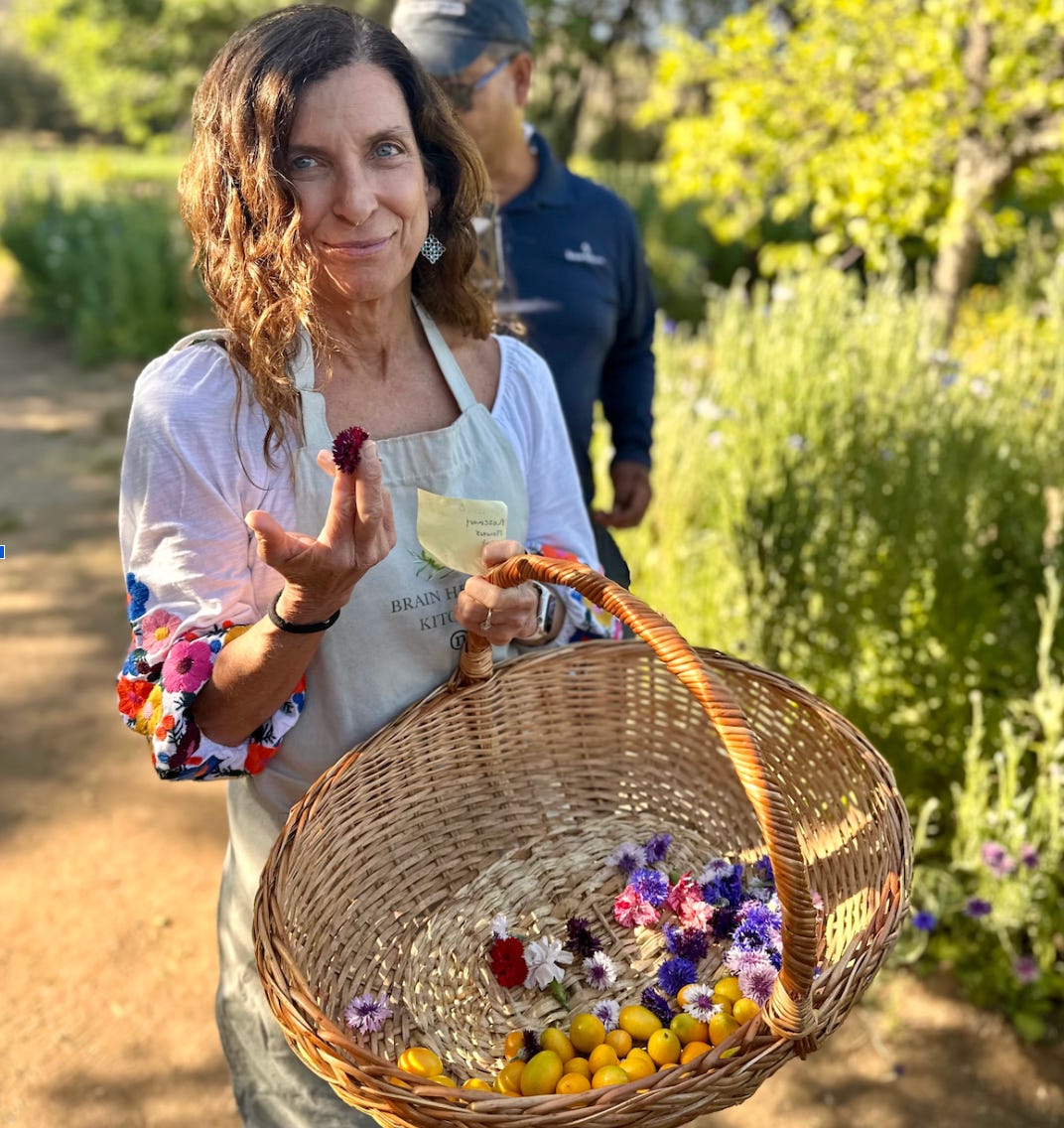
These bars are named for the cooking school at Rancho La Puerta: La Cocina Que Canta (The Kitchen That Sings). The base is a mix of dried figs and almonds, but you can use most any nut you like. Nuts are an important brain-healthy food group; my BHK Food Guidelines recommend enjoying at least ¼ cup nuts most days. Dried figs are delicious, of course, but also provide a boost of polyphenols—bioactive substances that work hard to keep the gut and brain healthy.
For our farm to table dinner, I topped the bars with dried flowers from the garden. I’ve made these bars with dozens of variations—find my favorite toppings and the original recipe here. Tuck this one away for holiday giving!
Makes 36 2 x 1-inch bars (depending on your pan)
For the bars
2 cups (1 lb.) dried figs, stems snipped off
1½ cups raw, unsalted almonds or cashews, toasted
¼ cup extra-virgin olive oil
2 tablespoons honey or date syrup
1 teaspoon kosher salt
1 teaspoon vanilla extract
½ teaspoon orange blossom water or orange extract
For the chocolate glaze
6 ounces dark chocolate (65% or more cacao), chopped into pieces, or 1 cup dark chocolate chips
1 tablespoon extra-virgin olive oil
To top the bars
2 tablespoons toasted chopped pistachios
2 tablespoons organic, food-grade dried rose petals
To serve
Vanilla Bean Cashew Cream (recipe follows)
Berries
Line a rimmed 8x8-inch baking pan with parchment paper with two sides overhanging; set aside.
To make the bars, pulse the figs and almonds in the bowl of a food processor and pulse until the nuts are coarsely chopped. Add the oil, honey, salt, and vanilla and orange extracts. Pulse until the mixture starts to clump and you can easily pinch it together with your fingers, about 15 times. (If your figs are very dry, this may take a little longer, or add additional olive oil by the teaspoon until it comes together.)
Scrape the fig and almond base into the pan and press into an even layer. Use the bottom of a measuring cup or sturdy spatula to press firmly until compact. Chill in the fridge while you prepare the glaze.
To make the glaze, place the chocolate in a heatproof bowl that fits over a small saucepan. Fill the saucepan with just enough water to create a steam bath, but not enough to touch the bottom of the bowl. Bring the water to a gentle boil and stir the chocolate as it melts. (You can also melt the chocolate in the microwave on medium power, stirring every 20 seconds.) Once smooth, turn off the heat and stir in the oil. Keep the glaze warm while you get your toppings ready.
Pour the glaze over the bars and spread with a spatula to coat evenly. Scatter the toppings evenly atop the bar. Refrigerate for at least 30 minutes until glaze is set, then cut into 3-inch by 1-inch bars.
To plate, add a rectangle of the bars with a dollop of vanilla bean cashew cream and berries.
Vanilla Bean Cashew Cream
Makes 1¼ cups
1½ cups raw, unsalted cashews
1 cup fresh water, plus up to ¼ cup more, if needed
1 teaspoon pure maple syrup
½ teaspoon pure vanilla extract or paste
¼ teaspoon kosher salt
Place the cashews in a small saucepan, add enough water to cover the nuts, and bring to a boil. Turn off the heat, cover, and let sit for 15 minutes. Drain, discarding the boiling water.
Transfer the cashews to a blender with the 1 cup fresh water and salt. Blend on low speed to make a thick paste. With the blender on medium speed, add more water 1 tablespoon at a time until the cashew mixture is the consistency of heavy cream. Add the maple syrup and vanilla and increase the power to high and blend until very creamy, about 1 minute.
Transfer the cashew cream to a bowl and cover tightly. To store, refrigerate in an airtight container for up to 5 days or freeze for up to 1 month.
If you want to soak the cashews instead of boiling them, combine them in a bowl with enough water to cover for at least 2 hours and up to 12 hours. Discard the soaking water and proceed with the recipe using fresh, room-temperature water.
Thank you
What works for the heart, works for the brain! So many great recipes- esp the salmon