

There’s a moment many women reach in their late 30s or 40s where something shifts. The strategies that once worked: eating “well,” staying active, pushing through stress, start to feel less reliable. Energy dips feel deeper. Sleep becomes elusive. Emotions, sharper. And underneath it all, there’s a sense that the body is asking for something different, even if we don’t yet have the language for it.
Like many of you, I’m navigating the edges of hormonal change while also holding a full life - work, family, responsibilities, the invisible mental load that seems to hum in the background. And a growing curiosity: what does it actually look like to support the body through this season, rather than override it?
That’s what drew me to this conversation with Dr. Sonya Jensen, whose new book Heal Your Hormones, Reclaim Yourself reframes hormonal health as something far deeper than labs and symptoms..


Dr. Jensen’s work sits at a powerful intersection - cell biology, naturopathic medicine, yoga, Ayurveda, and deeper emotional and spiritual inquiry. But what makes her perspective so resonant is the way she brings it all together into something that feels both intuitive and precise. Her framework, the HER Method: Hormonal, Emotional, Relational, reminds us that our symptoms are never isolated. They are part of a larger story, one that lives in the body, the mind, and the patterns we carry, often across generations.
In this conversation, we talk about the physiology of stress and how it reshapes our hormones, why healing isn’t just about balancing estrogen or progesterone, and how the roles we’ve learned to play - overachiever, caretaker, perfectionist - can drive the very imbalances we’re trying to fix. But more than anything, we talk about what it means to feel safe in your body again. To feel worthy of support. To begin listening, instead of pushing through.
If you’re in a season where your body feels unfamiliar, or if you’ve been trying to “do all the right things” but still feel off - this conversation will meet you there.
Let’s get into it.
What is the most surprising thing you’ve learned about women’s health?
The most surprising thing that I have learned about women’s health is how unworthy women feel to receive the help they both need and deserve and how this belief is amplified when her hormones are changing and chaotic. I once had a patient say to me after being diagnosed with an autoimmune condition and I had just laid out all the options we had to support her, “I don’t deserve your help. You can try as hard as you want to support me, but I don’t believe I’m worthy of healing, so nothing is going to change.” This floored me. This woman had the courage to say out loud what her mind had on repeat while so many keep suffering in silence while their minds force them to stay stuck in self-sabotage. This belief of hers was showing up in every relationship and habit, especially in perimenopause. What I have learned over time is that this belief is not one that shows up overnight, but over years and decades of not being seen, or heard, and not feeling safe. Most women are carrying not only their own stressors but also the unhealed burdens of the women before them- changing the choices they make every day that force them into depletion, burnout, and a state of dis-ease and until we can help her feel safe, heard, and seen for who she is and where she is in her present season of life, we cannot fully heal.
Your background spans cell biology, naturopathic medicine, Ayurveda, and shamanic study. How did all of those pieces come together into your journey & the work you do today?
Every piece of education, training, and life experience has shaped the lens through which I see my patients and the woman sitting across from me. This background gave me the foundation to look at science while not losing sight of the soul. It gave me the ability to see her in all her angles, layers, and phases of life. Learning these modalities were initially meant for me to heal my own story and it was in that work that I started to connect the dots between our physical body with our mental, emotional, and spiritual. Although they are different modalities, they all carried a common thread between them, to consider the whole person in relation to their environment, especially the earth and her rhythms.
The book centers on your HER Method: Hormonal, Emotional, Relational. Can you walk us through what that means and why all three have to be addressed together?
The hormones represent the symphony that plays when the cellular orchestra is finely tuned and connected. They are the messengers that carry a message from cell to the next providing the song that creates the story in the body. When that process is disrupted the song will sound out of tune which is often expressed through our emotions. When the hormones are out of tune emotions are heightened.
Anxiety, depression, rage, grief- all carry with them a hormonal story that shaped how we express ourselves to others. When progesterone is low due to high levels of chronic stress we no longer can activate GABA, a neurochemical that helps the mind feel calm, increasing anxiety. When estrogen and testosterone are low we have less access to dopamine, a neurochemical that helps us access joy, leaving women feeling depressed and unmotivated.
This change in state then expresses itself in our relationships through less patience for ourselves and others, through high levels of irritability, and through uncontrolled anger and rage- leaving women feeling out of control and helpless. How we feel will determine how we show up in our relationships. Divorce rates go up drastically from ages 45-55, the very years women’s hormones are dropping in perimenopause. I don’t think it’s just a coincidence- the change in hormones challenges everything she felt to be true and challenges the roles and identities she has been carrying, and challenges her physically and emotionally. Although this time may feel difficult, it is also a time of reflection and opportunity to unlearn the patterns that have been disrupting your hormones and controlling your emotions. It can be a time to heal relationships, especially the one with yourself.
How does chronic stress physically alter our hormones? And what does that do to the way we eat, feel, and show up in our relationships?
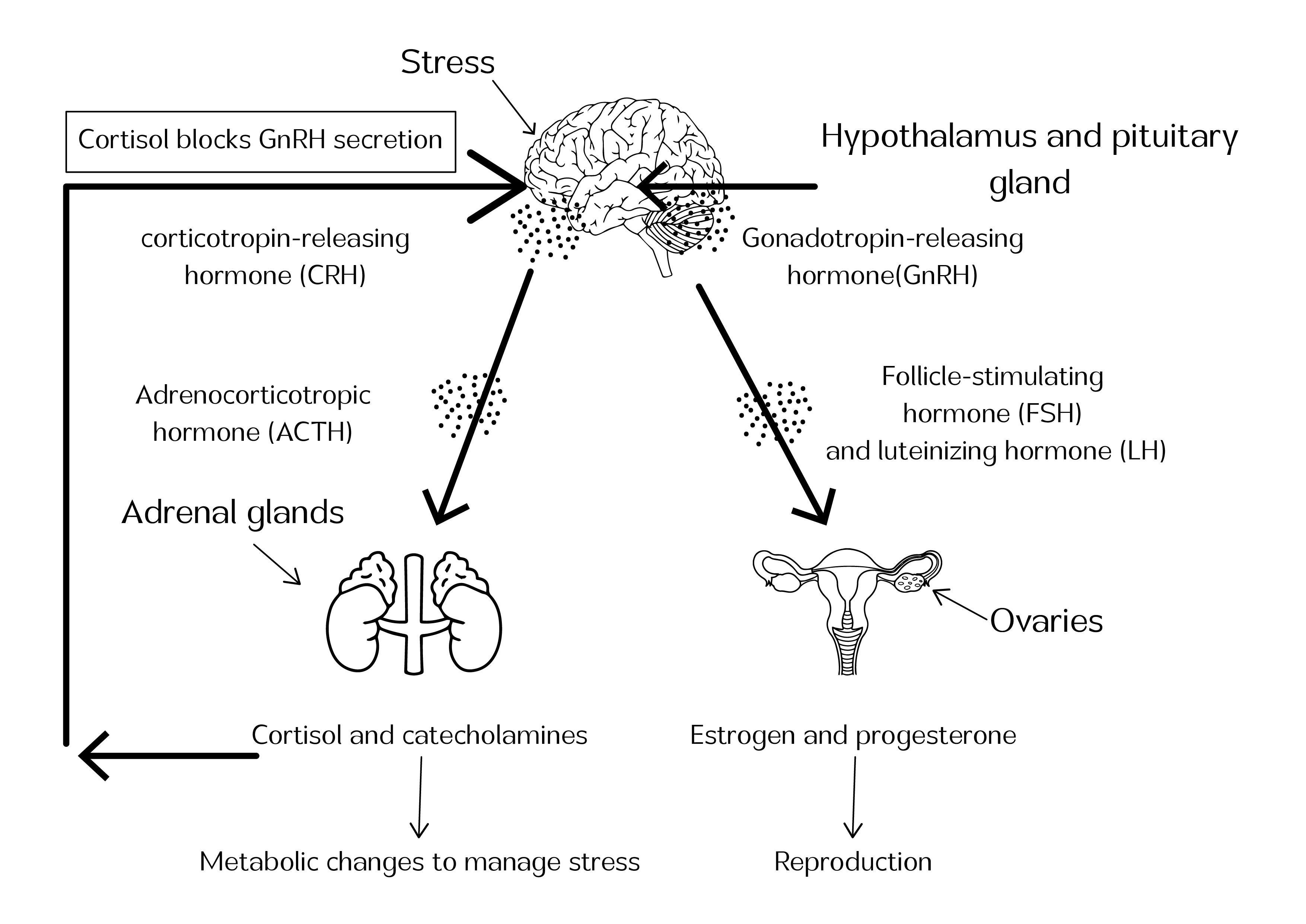
Chronic stress doesn’t just impact hormones—it reshapes your physiology to match your environment to essentially help you survive it. When a woman lives in a constant state of pressure, her nervous system stays in survival mode, driving cortisol up and gradually disrupting progesterone, estrogen, insulin, and thyroid function. Progesterone, your calming hormone gets converted into your stress hormone cortisol in times of stress. This creates a ripple effect where your feel more anxious, wired, depleted, and disconnected from yourself changing the choices you makes and the foods you chooses for fuel. The body begins to crave quick energy through sugar or caffeine, eating becomes either a source of control or comfort, and emotions feel harder to regulate. When your brain isn’t receiving the right form of energy to feel clear, focused and steady it changes how you show up, in your day. In relationships, this may look like reactivity, withdrawal, over-giving to avoid conflict, or feeling easily overwhelmed because your body doesn’t feel safe and steady. In this work, hormones are not the problem—they are the messengers of deeper patterns, often rooted in unprocessed emotions, chronic over-responsibility, and inherited beliefs about worth. Healing, then, is not just about reducing stress, but about understanding the story the body is holding and creating the safety needed for those hormonal rhythms to restore.
You connect hormonal imbalance to generational trauma and the stories we carry in our cells. Can you help us understand that connection?
Hormonal imbalance is an expression of a lived story- yours and the women that came before you. These hormones are regulated by systems like the hypothalamic-pituitary-adrenal axis and this system is highly responsive to perceived safety, stress and emotional experiences. Through fields like epigenetics and various studies show us how a pregnant woman’s stress levels impact the baby as the baby navigates their childhood and beyond. The experiences of those before us like stress, suppression and survival patterns can influence our genes and how they are expressed. Some have shown high stress in mom means hypervigilance and low stress resilience in the child even in their teens. This is due to adrenal insufficiency and low levels of hormones that support adaptation to stress. Not only are there changes to the physical body but also one’s outlook and relationship to life. When the women around you had beliefs that created identities of over-functioning, people pleasing or self sacrifice, there is a silent subconscious pattern of how to show up in the world getting imprinted into your own identity- it is how you start to believe you have to behave to be loved, to belong, or to be safe. This pattern itself starts to increase your stress hormones impacting your physical and emotional health.
You talk about a hierarchy of hormonal healing, which you use in your practice. Can you walk us through these layers and what they address?
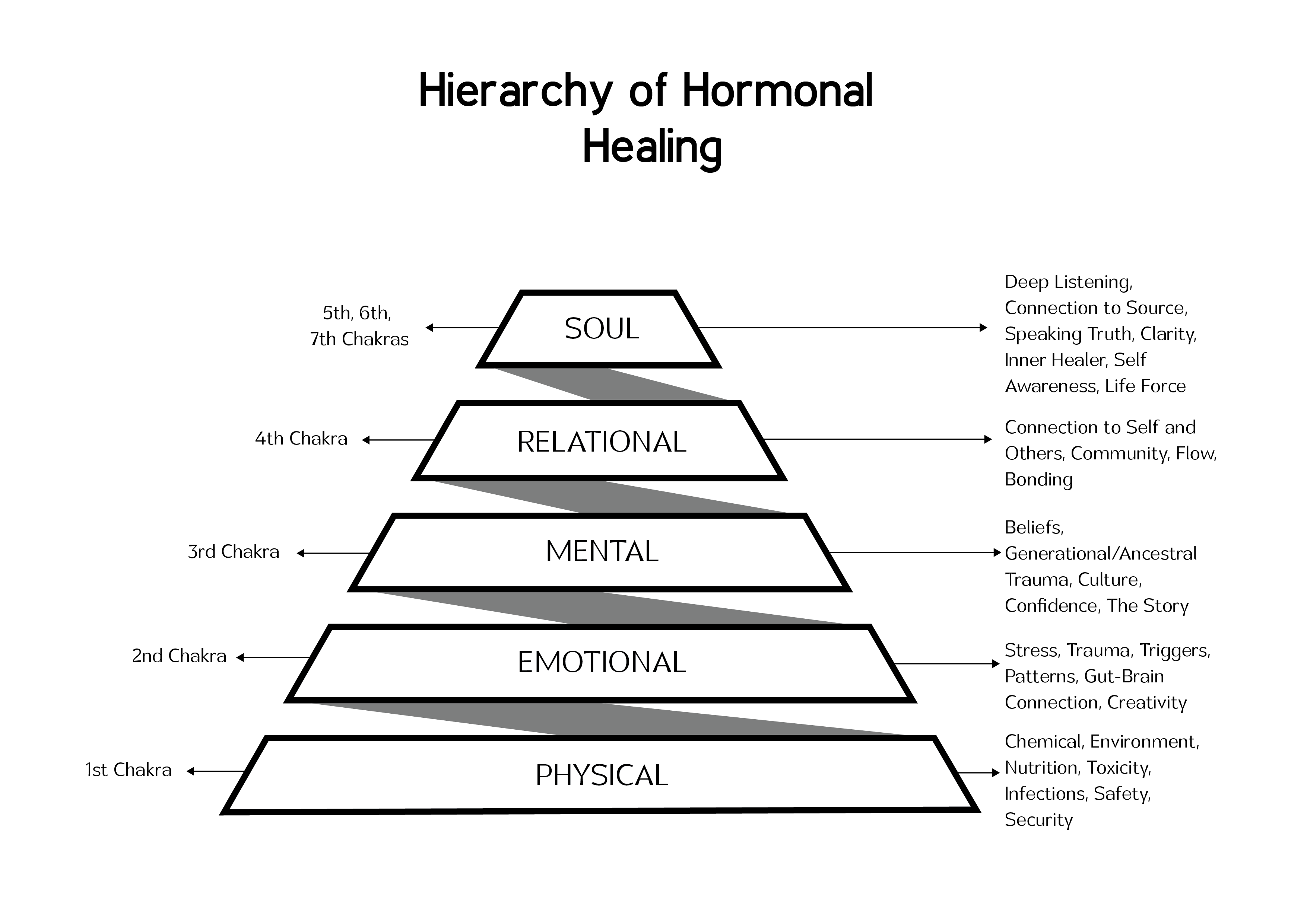
The hierarchy of hormonal healing is the framework I use when helping women in their healing journey. Although I believe that the emotional story is the most important to heal for the deepest parts of us to feel seen and heard. Women first come to see for physical discomforts and may not be aware of the emotional connection. So I first start with understanding her physical story. The symptoms she is currently dealing with and how they are impacting the quality of her life. We start with testing, tracking, and spend time putting the puzzle of her story together so she can begin to understand the why behind her discomfort. Once she starts to see the patterns and we have implemented the right supports for her body we move to the emotional. Here she begins to understand her beliefs about herself, her patterns, her roles and identities that have been dictating her habits and actions. From here we can uncover the mental blocks and challenges that keep her stuck. Once she has an awareness of herself and begins to really know herself she then naturally begins to heal her relationships- with herself and others, allowing her the space to fully express herself and uncover her life’s desires, purpose and joys.
You draw from both ancient herbs and modern medicine. How do you decide when food is enough, when herbs are needed, and when to consider something like HRT?
This is a really important question. Each woman has a unique story and needs her own individual plan and my job is to have discernment and understanding of all the modalities available to give her the best outcome. For me teaching the foundation of health through food, movement, daily rituals and mindset shifts is the key to long term success. If she isn’t digesting food well, she isn’t digesting life well and how you digest determines how your hormones communicate. I teach consistency to create safety. Herbs or medicine from the earth is powerful and potent. It can support her systems to support her hormones through detoxifying the liver, to supporting her adrenals to gently nudging the thyroid. And sometimes the body needs more. With modern stresses from life, our environments, our traumas, and the hormonal depletion women face, I have seen bio identical hormone therapy do wonders for them. They feel more energetic, sleep better, have regular cycles and it can give them just enough support and energy to change the foundational habits. So for me all of these modalities play a role in supporting her healing.
You identify three hormonal identities in the book: the anxious overachiever, the silent struggler, and the perfectionist. How does the path to healing look different for each one?
We may find they we presently may connect with one identity more than another, or we may have experienced parts of all 3 in various seasons of our lives.
The Anxious Overachiever is often stuck in overdrive. Her system is wired for urgency, productivity, and doing it all. So her healing isn’t about doing more—it’s about doing less, differently. We focus on regulating the nervous system, stabilizing blood sugar, and helping her feel safe to slow down. The deeper work is around redefining worth beyond achievement.
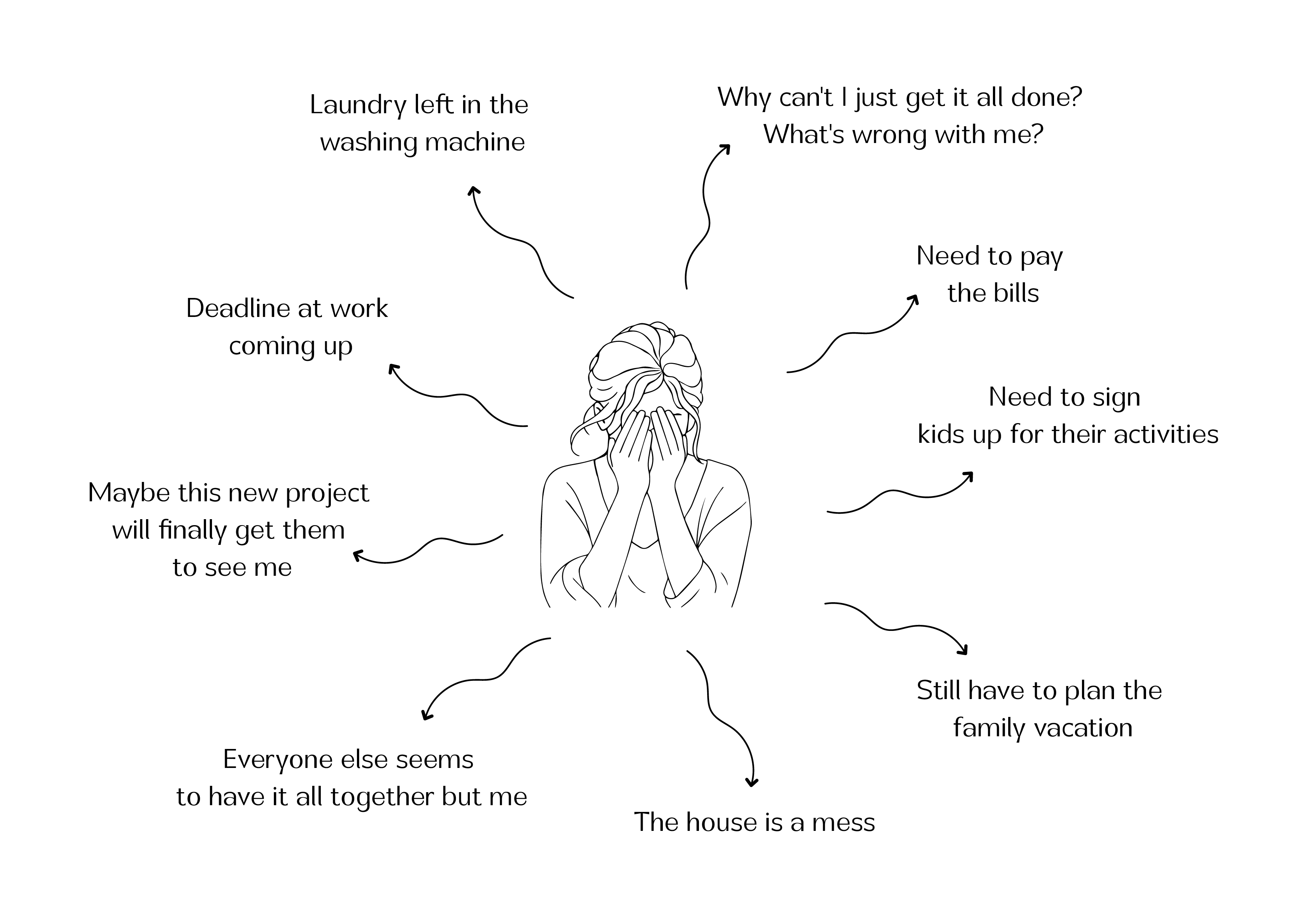
The Silent Struggler tends to hold everything in. She’s the one who says “I’m fine” while her body tells a different story. Her healing path is about expression. Supporting detox pathways physically, but also giving her tools to process and voice what she’s been carrying. Safety in feeling and being seen becomes key.
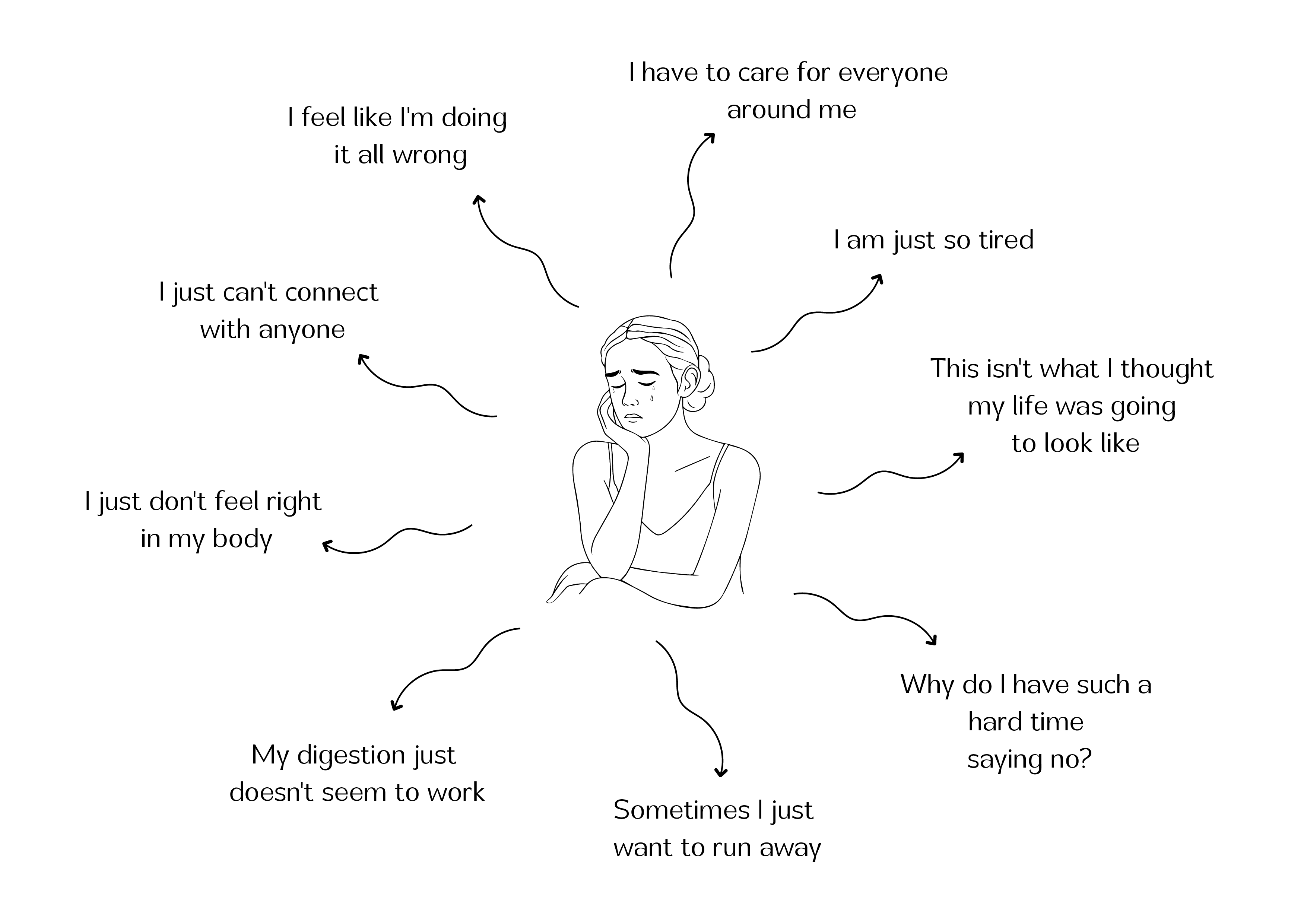
The Perfectionist with a Price is driven by control and high standards—but at a cost to her body. Her system is often rigid, depleted, and exhausted from trying to get everything “right.” Healing here is about softening. Letting go of all-or-nothing thinking, supporting nutrient depletion, and creating flexibility in both body and mind.
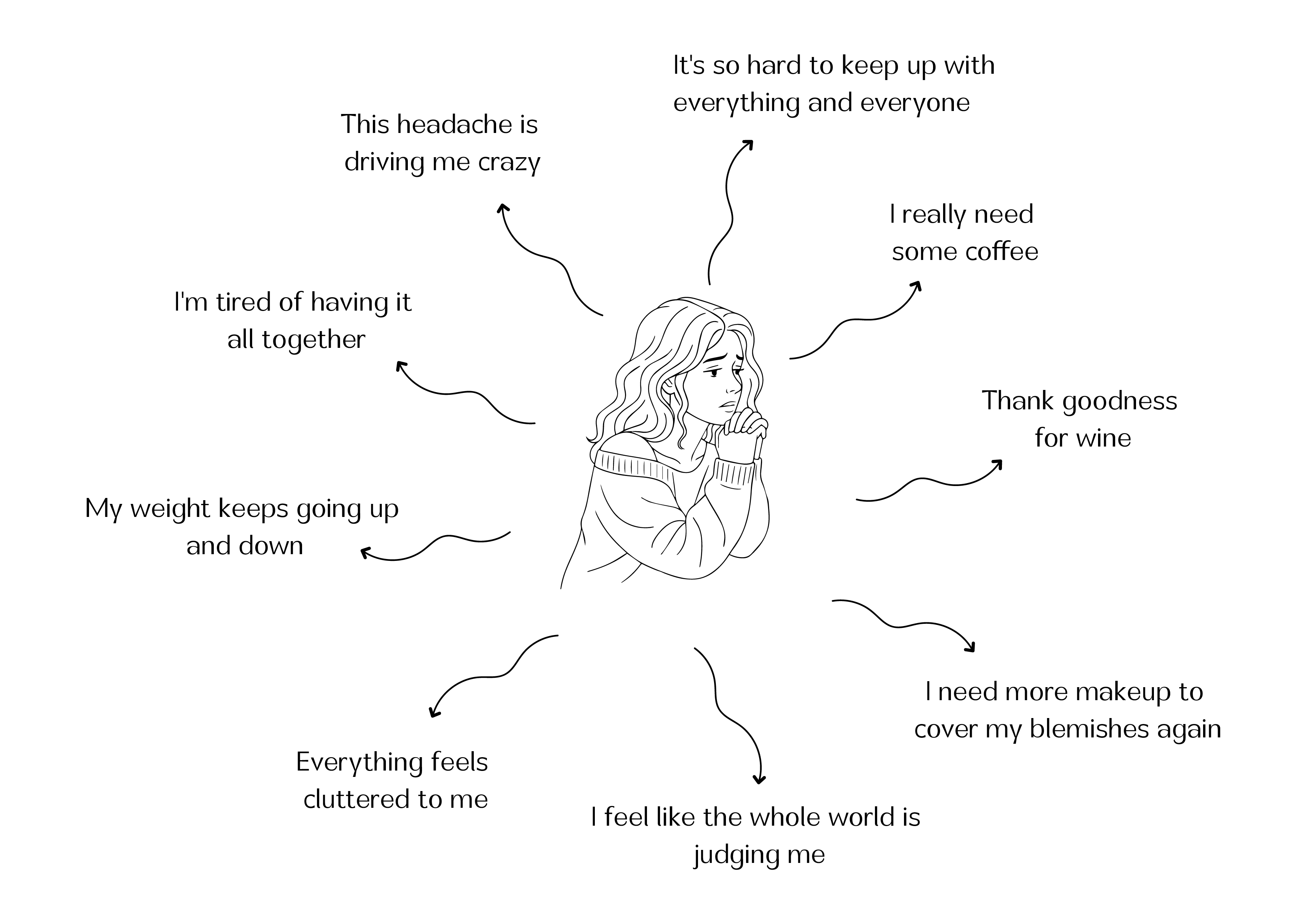
Each path is different—but the common thread is that we’re not just treating symptoms, we’re interrupting the pattern that created them.
How can women work with you?
The HER Community is an extension of the work in Heal Your Hormones, Reclaim Yourself—a space where women don’t have to navigate their healing alone. It’s where education meets embodiment, and where we move beyond information into real transformation. Inside, women are supported through the layers of healing—physical, emotional, mental, relational, and soul—while being held in the power of sisterhood. Because when women come together to share, be seen, and do this work collectively, healing deepens—and what once felt isolating becomes something profoundly connecting. We meet monthly and you can find more information on www.drsonyajensen.com.
Thank you, Dr. Sonya, for helping us see our bodies with more clarity and compassion. Until next week, xoxo.
Hormone balance is never just a hormone story. It's a liver story, a gut story, a stress story, and a sleep story, all running simultaneously. I see so many clients who've had hormones tested, been told everything is "within range," and are still symptomatic. The functional picture is how hormones are being metabolized and cleared, not just what their levels are. This is where the real answers usually live. By the way, I wanted to follow up on my note from a few weeks ago. I absolutely love what you’re doing here and would love to chat about collaborating sometime!
Hey — I came across your writing and really liked how you think.
I’m exploring something similar from a different angle — writing about human behavior through a system design lens (like debugging internal patterns).
Just started publishing on Substack. If you ever get a moment to read, I’d genuinely value your perspective.
Also happy to support your work — feels like there’s an interesting overlap here.